
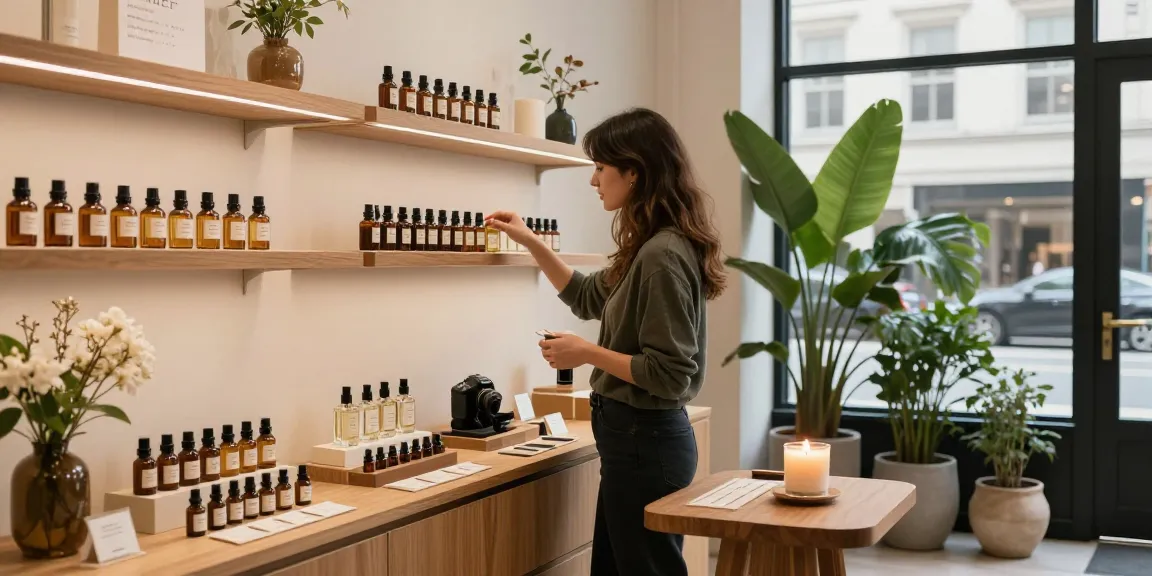
Understanding Natural Perfumes
In an age where consumers are becoming increasingly conscious of product ingredients and their environmental impact, natural perfumes have emerged as a popular choice. Unlike their synthetic counterparts, natural fragrances are composed of plant-derived ingredients, essential oils, and natural extracts. They not only provide a more authentic scent experience but also align with the growing trend towards sustainability and eco-friendliness. When exploring options, Natural Perfumes offer an array of choices for discerning noses.
What Are Natural Perfumes?
Natural perfumes are crafted using ingredients sourced from nature, typically comprising essential oils, botanical extracts, and other natural elements. They avoid synthetic compounds, which are commonly found in conventional perfumes. The production process of natural perfumes emphasizes minimal processing to maintain the integrity of the ingredients, resulting in fragrances that not only smell good but also resonate with the user’s body chemistry.
Key Ingredients in Natural Perfumes
- Essential Oils: Extracted from flowers, leaves, and fruits, essential oils are the primary building blocks of natural fragrances. Each oil brings its unique scent profile and therapeutic properties.
- Botanical Extracts: These are concentrated forms of plants that provide specific scents or enhancements to the base fragrance.
- Carrier Oils: Natural perfumes often use oils like jojoba or fractionated coconut oil to dilute essential oils, making them safe for skin application.
- Citrus Oils: Frequently used for fresh, uplifting notes, citrus oils like bergamot or orange are popular in many formulations.
Benefits of Choosing Natural Over Synthetic Fragrances
Choosing natural perfumes over synthetic options can yield several benefits. First, they are often less irritating to the skin due to the absence of synthetic chemicals. Additionally, natural perfumes tend to have a more complex scent profile because their ingredients interact with one another more harmoniously compared to synthetic blends. Furthermore, opting for natural fragrances supports environmentally-friendly practices, as many brands are committed to sustainable sourcing and production methods.
Top Natural Perfume Brands to Consider
Leading Brands in the Natural Fragrance Market
Several brands have successfully established themselves in the realm of natural perfumes, offering high-quality and artisan-crafted fragrances. Some of the most respected names include:
- Abel: Known for its commitment to 100% natural ingredients, Abel offers a range of elegant fragrances that are both sophisticated and eco-conscious.
- Henry Rose: Founded by actress Michelle Pfeiffer, Henry Rose emphasizes transparency, with all ingredients listed on the packaging.
- Pflüger: This brand crafts fragrances from organic and sustainable materials, ensuring an eco-friendly footprint.
- Le Labo: Famous for its unique fragrances that allow customers to personalize their scent, Le Labo also focuses on natural ingredients and sustainable practices.
Innovative Natural Perfume Startups to Watch in 2026
The natural perfume landscape is constantly evolving, with newcomers entering the market and pushing the boundaries of creativity. Keep an eye on these innovative startups:
- Floral Street: Emphasizing vibrant scents inspired by nature, this brand is making waves with its sustainable and environmentally-friendly approach.
- Olfactive Studio: This perfumery blends art with fragrance, creating unique scents that tell stories through olfactory experiences. Their focus on natural ingredients makes them a noteworthy contender.
- Wild Hill Botanicals: This startup specializes in hand-crafted perfumes using unique botanicals, focusing on blends that are both aromatic and wellness-oriented.
How to Identify Quality Natural Perfumes
As the popularity of natural fragrances increases, so does the number of products on the market. To ensure you’re selecting a high-quality natural perfume, consider the following tips:
- Ingredient Transparency: Look for brands that openly list their ingredients. The best natural perfumes will provide clear information about their components, showcasing their commitment to quality.
- Scent Testing: Always test fragrances on your skin, as natural scents can behave differently than synthetic ones. Body chemistry plays a significant role in how a fragrance develops.
- Packaging and Brand Ethics: Support brands that prioritize sustainable packaging and ethical sourcing. This often signifies a commitment to environmental consciousness.
Crafting Your Signature Scent
The Art of Layering Natural Perfumes
Layering fragrances is an art form that can yield a personalized scent experience. By combining different natural perfumes, you can create a unique aroma that resonates with your personality. Here’s how to do it effectively:
- Choose Complementary Scents: Look for fragrances that share similar notes or themes. For instance, if you have a floral base, consider adding citrus or green notes for balance.
- Start Light: Begin with lighter scents as your base and add stronger fragrances gradually. This allows for a more nuanced layering effect.
- Test and Adjust: Layer scents on your wrist and allow them to settle for a few moments before making adjustments.
Choosing the Right Natural Perfume for Different Occasions
Natural perfumes are versatile and can be tailored to suit various occasions. Here are some tips on selecting the appropriate fragrance for different events:
- Everyday Wear: Opt for light, fresh scents that are not overpowering. Citrus and green notes work well for daytime.
- Evening Events: Choose richer fragrances with deeper notes like amber or woods to leave a lasting impression during night outings.
- Work Environment: Select subtle fragrances that are professional and not too strong, ensuring that you do not overwhelm colleagues.
Personalizing Your Perfume Experience
Personalization in fragrance can enhance your experience significantly. Consider these approaches:
- Custom Blending: Some brands allow you to create your own blends. This can be a delightful way to express your unique scent profile.
- Fragrance Wardrobing: Maintain a collection of scents for different moods and occasions. This not only adds variety but also keeps your olfactory senses engaged.
- Seasonal Switching: Change your fragrance according to the seasons. Lighter scents may suit spring and summer, while deeper, spicier fragrances can work well in fall and winter.
Trends in the Natural Perfume Industry
Emerging Trends in Natural Fragrance for 2026
The natural perfume industry is not static; it evolves with consumer preferences and cultural shifts. Here are some trends to watch:
- Clean Beauty Movement: Consumers are increasingly seeking products that are not only natural but also free from harmful chemicals. This trend will continue to gain momentum.
- Personalization: More brands are investing in technology that allows consumers to customize their fragrances, providing an experiential aspect to perfume shopping.
- Gender-Neutral Scents: The rise of unisex fragrances reflects a shift towards inclusivity, allowing individuals to express themselves without being confined to traditional gender categories.
The Influence of Sustainability on Perfume Choices
With an increased global focus on sustainability, consumers are now prioritizing brands that adopt eco-friendly practices. This includes responsibly sourced ingredients, sustainable packaging, and minimal waste production methods. Brands that commit to sustainability are not only appealing to eco-conscious shoppers but are also setting trends within the industry.
Consumer Preferences Shaping the Market
The evolving preferences of consumers are steering the natural perfume market towards greater transparency and ethical sourcing. As awareness of ingredient safety increases, consumers seek perfumes without harmful additives. This demand has prompted brands to engage in more ethical practices, leading to a significant transformation in the fragrance industry landscape.
Frequently Asked Questions
What makes a perfume ‘natural’?
A perfume is considered ‘natural’ if it is composed mainly of ingredients sourced from natural origins, such as plants and essential oils, without synthetic compounds.
Are natural perfumes long-lasting?
While many natural perfumes may not last as long as synthetic fragrances, they can still offer a lasting scent experience, particularly when applied to pulse points like wrists and neck.
How to test natural perfumes effectively?
To test a natural perfume, spray a small amount on your wrist and allow it to settle for a few minutes. This will give you a true sense of how the fragrance develops over time.
What are the best practices for storing natural perfumes?
Store natural perfumes in a cool, dark place away from sunlight and heat. This helps maintain the integrity of the essential oils and prolongs the fragrance’s lifespan.
Can I create my own natural perfume at home?
Yes! With some basic ingredients such as essential oils, carrier oils, and a mixing container, you can experiment and create a personalized natural perfume at home.